
Grasping the fundamentals of electricity gives you control over your electronic environment. Whether you’re plugging in a toaster, setting up solar panels, or deciding on energy-efficient appliances, understanding ampere vs watts vs volts helps you see how electrical systems really work. Knowledge of amperage, voltage, and power can lead to safer and smarter decisions, from reducing energy costs to preventing electrical mishaps. From a DIY home improvement perspective, knowing these basics allows for safer modifications and repairs. Electricians rely on a clear understanding of ampere vs watts vs volts to avoid overloads and ensure components work harmoniously. As we integrate more technology into our homes—from smart devices to electric vehicles—a strong foundation in electricity becomes even more pertinent. Knowledge is power, and with it, you can protect and optimize the use of energy in your daily life.
Amperage Explained: How Electric Current Really Works
What Is Amperage and How Current Flows
Amperage measures the flow of electric current through a conductor, expressed in amperes or “amps.” It essentially quantifies how many electrons flow past a specific point in a circuit per second. To visualize this, imagine a water hose: amperage is akin to the amount of water flowing through the hose. A higher amperage indicates more electrons moving, which is crucial for powering devices. The current flow depends on the circuit’s resistance and the voltage applied. Low resistance allows more current to flow, assuming voltage remains constant. Amperage is crucial in designing and maintaining electrical systems because it determines the size of wires and circuit breakers required to safely carry electrical loads without overheating.
How Amps Affect Device Safety and Performance
Amps significantly impact both the safety and performance of electrical devices. Devices designed for specific amperage levels can malfunction or become hazardous if connected to unsuitable power sources. Overloading a circuit by exceeding its amperage capacity can result in overheating wires, potentially causing electrical fires. Circuit breakers and fuses rely on amperage ratings to trip or blow before reaching dangerous levels, thus protecting circuits. Performance-wise, devices might underperform with insufficient amperage, as they cannot draw enough current to operate efficiently. Understanding amperage ensures that devices receive the necessary power without risk of damage, and this translates to efficient energy use and increased longevity of your electronics.
Voltage Basics: The Force That Pushes Electricity
What Voltage Means in Everyday Electrical Systems
Voltage represents the electrical potential difference between two points in a circuit and acts as the driving force that pushes electrons through a wire. It’s measured in volts, and a higher voltage equates to a greater potential to do work. In everyday electrical systems, voltage manifests itself in the form of power outlets or batteries delivering energy to devices. It’s similar to the water pressure in a hose: increased pressure propels more water. Standard household outlets typically supply 120 volts in the U.S., crucial for operating appliances like lamps or TVs. Meanwhile, understanding voltage ensures the correct delivery of power, preventing damage and ensuring devices function as intended.
Voltage Differences in Homes, Vehicles, and Solar Setups
The voltage systems differ significantly across applications. Domestic outlets usually provide 120 volts, suitable for most appliances. However, certain heavy-duty appliances, like stoves, may require 240 volts to function efficiently. In contrast, vehicles typically use a 12-volt system to power lights and onboard systems, optimizing performance while maintaining safety. Solar setups vary widely; photovoltaic panels often generate voltages around 12-48 volts, but these can be inverted to higher voltages suitable for household use. Understanding these variations allows users to choose the right equipment and safely integrate these systems with existing infrastructure, ensuring efficiency and safety across different environments and uses.
Power and Watts: Turning Electricity Into Real Work
How Watts Connect Amps and Volts Using Simple Formulas
Power in electricity is measured in watts, a function of both voltage and amperage. The formula P(watts) = V(volts) × I(amps) illustrates how power, as the product of voltage and current, signifies the rate of energy conversion or use by an appliance. Essentially, watts indicate how much electrical work is being performed. For instance, a device running on 5 amps at 120 volts consumes 600 watts of power. This formula provides a straightforward method for determining how much energy a device uses, assisting in calculating energy costs and understanding the power demands on different circuits.
Real-World Power Usage Examples, From Phones to Power Stations
Everyday electronics offer practical examples of power usage. A smartphone might consume 5 watts during charging, while a laptop uses around 60 watts. Larger appliances, such as refrigerators, can draw about 200-800 watts, depending on efficiency and size. Moving up the scale, electric cars require thousands of watts, with charging stations often supplying power in the kilowatts. Power stations, whether portable like the Anker SOLIX or industrial-scale, manage immense wattages to supply grid or off-grid power solutions, demonstrating electricity’s versatility in handling various energy demands. These examples underscore the importance of understanding wattage and managing it effectively for cost efficiency and reliability.

Practical Applications: From Daily Electronics to Portable Power
Estimating Power Needs for Common Household Devices
Accurately estimating the power needs of household devices ensures efficient energy use and safety. Begin by checking the device’s power rating, usually indicated on a label at the back or near the power cord. For instance, a microwave typically requires between 600-1200 watts, whereas a ceiling fan might use only 60 watts. When combining devices on a single circuit, add their wattages to avoid overloading. Understanding these needs not only helps in choosing compatible products but also in planning energy budgets and adapting to new, more efficient technologies.
Using Portable Power Stations Like Anker SOLIX Safely and Efficiently
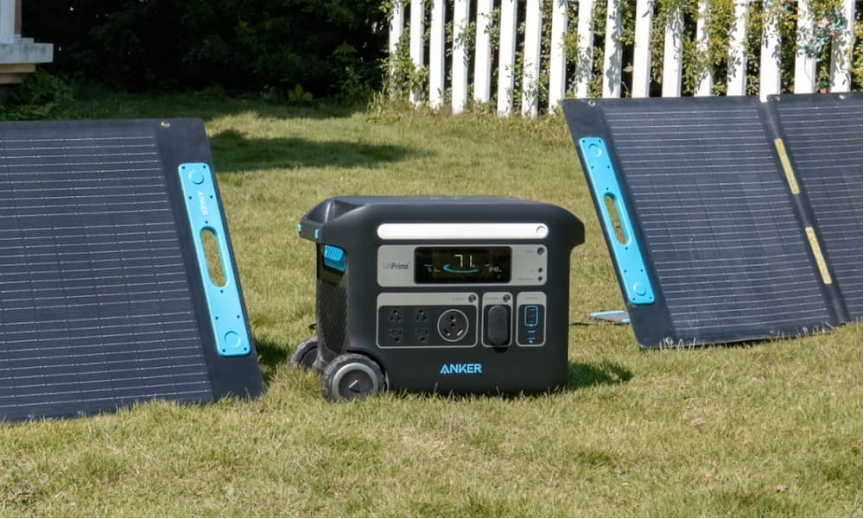
Portable power stations, such as the Anker SOLIX, provide versatile energy solutions for outdoors or emergencies. To use them safely, start by assessing the total wattage of devices you plan to connect against the station’s output capacity. Overdrawing power from a station can shorten its lifespan or cause device malfunctions. Maintain the unit by routinely charging it, ensuring it’s ready when needed. Configure connections securely to avoid short circuits, and keep the power station in a ventilated area to prevent overheating. These steps ensure they deliver reliable power, maintaining convenience and safety for various mobile or backup power scenarios.
Conclusion
Electricity is an intricate yet integral part of modern life, and understanding its basics—amperage, voltage, and power—empowers you to utilize it safely and efficiently. Mastering these concepts grants you the knowledge to optimize energy use, prevent safety hazards, and make informed purchasing decisions. Whether for daily electronics, home improvements, or emerging technologies like electric vehicles and solar, a solid grasp of electricity translates to significant benefits in performance and sustainability. By applying this knowledge, you can confidently navigate and harness the full potential of electrical systems in a world increasingly driven by innovation and technology.
Visited 1 times, 1 visit(s) today