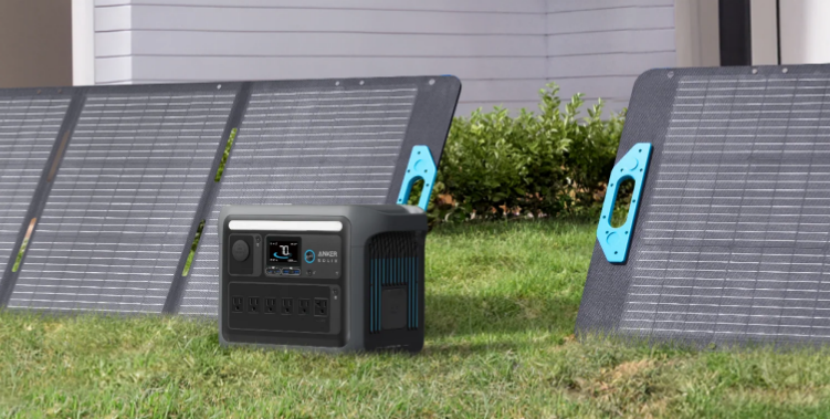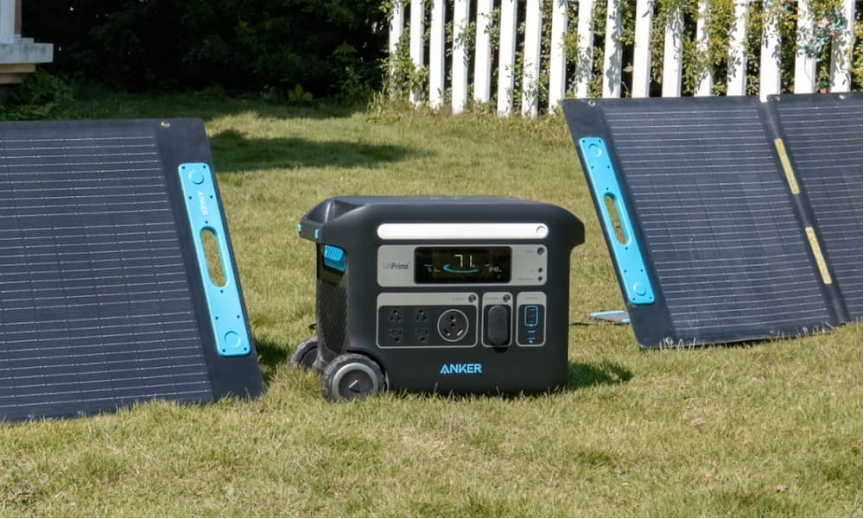
Choosing the right wattage for RV solar panels is one of the most important decisions when building a reliable off-grid power setup. Too little power can leave you short on electricity, while too much may add unnecessary cost and bulk. The ideal choice depends on how you travel, what devices you use, and how often you rely on solar energy. Before buying panels, it helps to understand how wattage translates into real-world RV power needs.
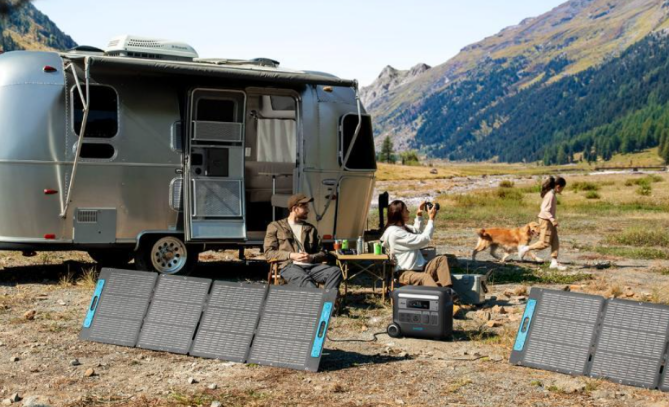
How to Determine the Right Solar Panel Wattage for Your RV?
Selecting the correct solar panel wattage starts with evaluating your energy usage and travel habits. The following factors will help guide your decision.
Assess Your Daily Power Consumption
Begin by listing the devices and appliances you regularly use in your RV. Common items include lights, phones, laptops, water pumps, fans, refrigerators, and small kitchen appliances. Each device consumes a specific number of watts per hour. Adding these together gives an estimate of your daily energy needs in watt-hours. This calculation provides a baseline for how much solar power your system should generate.
Light RV Use: 100W–200W Systems
For RV travelers who primarily take weekend trips or stay at campgrounds with hookups, a smaller solar setup may be sufficient. Panels in the 100W to 200W range are typically enough to charge phones, tablets, lights, and other low-power devices. Folding solar panels like the Anker SOLIX PS100 or PS200 are well-suited for these needs, offering portability and easy storage while still providing efficient charging for essential electronics.
Moderate RV Use: 300W–400W Systems
If you spend several days off-grid or work remotely from your RV, a mid-range solar setup is often a better choice. Systems in the 300W to 400W range can support laptops, fans, water pumps, and efficient refrigerators when paired with a capable power station. Higher-wattage folding solar panels, such as the Anker SOLIX PS400, deliver faster charging and greater flexibility, helping maintain consistent power throughout the day.
Heavy RV Use and Extended Off-Grid Stays
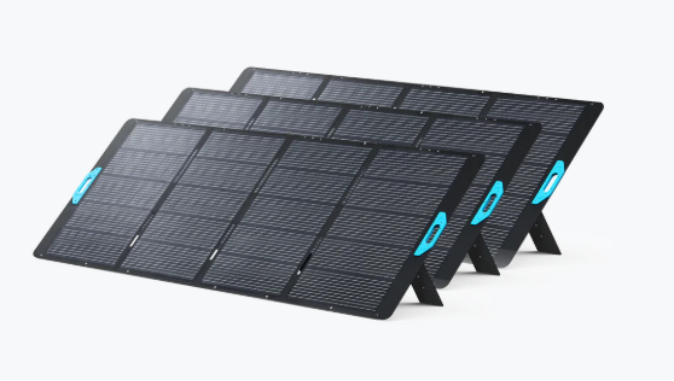
For full-time RV living or extended boondocking, higher solar capacity may be required. Multiple panels or higher total wattage help support continuous appliance use, cloudy days, and increased energy demand. While folding panels are often used as supplemental power in these setups, their portability allows RVers to expand their system when needed without permanent installation.
Consider Battery Storage and Charging Efficiency
Solar panel wattage works hand in hand with battery capacity. Even high-wattage panels are limited without adequate storage. Pairing your folding solar panels with a properly sized power station ensures excess energy is stored during peak sunlight and used later. Efficient monocrystalline panels with conversion rates up to 23% help maximize charging speed, especially during limited daylight hours.
Account for Sunlight Conditions and Travel Locations
Sun exposure varies by location, season, and weather. RVers who travel through shaded campsites or cloudy regions may need higher wattage to compensate for reduced sunlight. Adjustable folding solar panels allow better positioning, but choosing slightly more wattage than your minimum requirement provides a safety buffer.
Balance Portability and Space Constraints
Space is always a consideration in an RV. Folding solar panels offer a flexible solution because they can be stored when not in use. Selecting the right wattage involves balancing power needs with available storage space and ease of handling.
Conclusion
The right wattage for RV solar panels depends on how you use your RV and how much energy you need each day. Smaller setups work well for light travel, while moderate to higher wattage systems support longer off-grid stays and heavier device use. By calculating power consumption, considering storage capacity, and accounting for travel conditions, RV owners can choose a solar setup that delivers reliable energy without unnecessary complexity, making the RV travel more comfortable and independent.
Visited 1 times, 1 visit(s) today