
Stored sunlight reshapes how households think about energy. Once solar storage becomes part of daily life, power decisions become clearer, more strategic, and more cost-effective. Instead of reacting to outages or rising electricity rates, users make intentional choices about when to run appliances, when to save energy, and how to keep essential devices powered. Solar battery systems allow people to plan instead of guess. With rapid solar charging, low idle consumption, and flexible capacity, a system such as the Anker SOLIX F3000 paired with a 400W portable solar panel shows how stored sunlight gives households a practical advantage. Stored energy becomes a resource that supports smarter decisions every day, not just during emergencies.
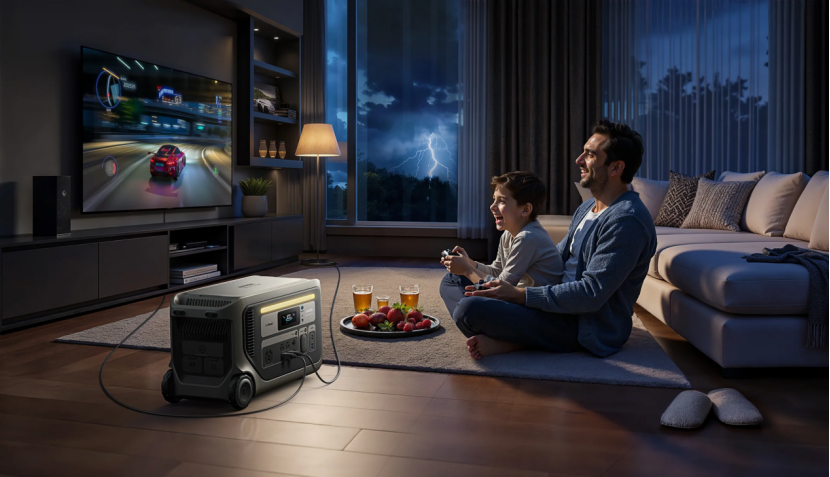
How Stored Sunlight Improves Day-to-Day Power Decisions
Timing Appliance Usage Becomes More Strategic and Cost-Efficient
Stored sunlight helps users make smarter choices about when to run high-demand appliances. Instead of relying entirely on grid power during peak billing hours, households can shift usage to stored solar energy, lowering electricity costs without sacrificing comfort. The F3000’s time-of-use mode makes this easier by automatically powering loads with stored energy during expensive hours. When off-peak rates return, the grid recharges the unit. This creates a natural rhythm where users learn to sync major activities—laundry, cooking, heating, cooling—with solar availability. Over time, people notice how small shifts accumulate into significant monthly savings, turning energy planning into a practical household habit.
Outage Preparedness Becomes Consistent Rather Than Occasional
Stored sunlight changes the way people prepare for outages. Instead of scrambling when weather alerts appear, households maintain a consistent level of readiness. The F3000’s low idle consumption allows it to remain on standby for up to five days while preserving charge efficiently. This enables users to keep essential appliances connected at all times, knowing the system will respond instantly. Families stop treating outages as exceptional disruptions and start treating backup readiness as a built-in layer of household stability. With the F3000’s ability to keep a refrigerator cool for nearly two days, outage planning becomes proactive instead of reactive, strengthening resilience across seasons.
Users Gain Confidence to Power More Than Just Essentials
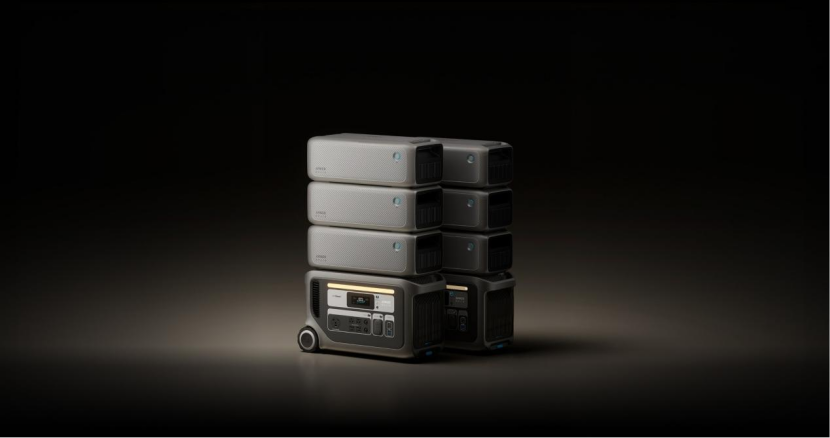
As stored sunlight becomes reliable, people expand the range of devices they feel comfortable powering. What begins as emergency backup gradually becomes supplemental energy for hobbies, outdoor activities, and remote work. With scalable storage up to 24kWh and 3,600W pass-through capability, the F3000 supports refrigerators, lighting, power tools, space-cooling devices, and electronics simultaneously. This flexibility encourages users to rethink what “essential” means. They recognize that stored sunlight supports convenience—not just survival. The shift from minimal usage to thoughtful inclusion of more devices marks a key change in how households use solar storage strategically.
How Stored Sunlight Improves Long-Term Household Energy Strategy
Stored Solar Encourages Long-Range Planning Instead of Day-to-Day Guesswork
Stored sunlight allows households to plan energy use weeks, months, or even years ahead. With reliable solar power bank input—up to 2,400W of dual-voltage charging—the F3000 can fully recharge in under two hours with strong sunlight. This predictable performance helps users estimate how quickly they can recover from outages or high-demand periods. Families start planning for seasonal spikes, preparing for heat waves or winter storms with confidence. Long-term thinking replaces the stress of relying solely on the grid. Instead of hoping conditions improve, people understand exactly how much stored power they have and how quickly they can replenish it.
Users Make Smarter Financial Decisions About Utility Bills
Stored sunlight transforms monthly electricity planning. By using the self-consumption mode, households reduce immediate grid reliance by distributing solar energy directly into home loads. Over months and years, this leads to more stable bills. The F3000’s ability to integrate with the optional Power Saver Kit further reinforces cost-saving habits by enabling structured use of excess solar. As users experience lower utility costs, they become more deliberate with their energy choices—running appliances at optimal times, tracking consumption more closely, and using stored sunlight for predictable, everyday tasks. Solar storage shifts financial decisions from reactive payments to intentional management.
Families Gain More Control Over Travel, Work, and Multi-Space Power Needs
Stored sunlight gives households flexibility beyond the home. Remote workers gain confidence knowing they can power laptops, monitors, and hotspots with stored solar without depending on grid stability. Outdoor gatherings, RV trips, and mobile workshops benefit from the F3000’s Anderson port and TT-30R outlet. Users begin making decisions such as: “Should we power this from the grid, or from stored sunlight?” Over time, stored power becomes the default choice for mobility, independence, and convenience. The system enables energy decisions that support lifestyle goals, not just household stability.
Conclusion
Stored sunlight transforms how households think, plan, and act around electricity. It supports smarter timing of appliance use, proactive outage readiness, and confident powering of essential and recreational devices. The Anker SOLIX F3000 with its 400W portable solar panel shows how fast solar charging, low idle draw, flexible expansion, and strong pass-through capability make stored sunlight a dependable daily resource. As users integrate these features into their routines, they shift from reactive power habits to intentional, strategic energy management. In this way, stored solar energy becomes more than backup—it becomes a solar power bank for the entire home, guiding better decisions and empowering long-term resilience.
Visited 1 times, 1 visit(s) today