A portable power station configuration delivers dependable electricity without the need for permanent wall outlets or noisy generators. It’s an all-in-one system that can provide electricity anywhere and whenever you need it—at home, on the road, or off-grid. Understanding what’s included in a standard setup and how it works allows consumers to get the most out of their investment. Whether you’re planning for outages, working remotely, or powering outdoor activities, a well-planned setup provides a pleasant experience. From the main unit to the attachments and charging choices, each component contributes to providing flexible, safe, and user-friendly energy for everyday usage.

What Does a Typical Portable Power Station Setup Include?
Main Unit, Battery System, and Built-In Controls
The main unit is the heart of any portable power station configuration, housing the battery system, inverter, and control interface. Most stations employ lithium-ion or LiFePO4 batteries to store energy for later use. The built-in converter transforms saved DC power into usable AC current for home and travel use. A digital display shows critical information such as input/output wattage, battery level, and anticipated runtime. Power buttons, mode choices, and cooling fans are all built into the casing. This self-contained machine provides clean, reliable energy to connected devices. With no fuel, emissions, or noise, the power station offers a safe and quiet alternative to gas generators.
Input and Output Ports for Everyday Devices
A portable power station includes multiple ports to charge and run devices. Most configurations include a mix of AC outlets for appliances, DC ports for car accessories, and USB-A/USB-C ports for smartphones, tablets, and laptops. Higher-end versions have fast-charging USB-C PD and wireless charging stations. Stations generally enable AC wall charging, 12V automobile input, and solar panel charging using MC4 or Anderson connections. These different connectors enable users to power tiny to medium-sized equipment such as lights, routers, CPAP machines, power tools, and cameras. A good arrangement allows for simultaneous device charging, with load balancing and port-specific safeguards to provide consistent, safe energy distribution across all outputs.
Cables, Accessories, and Optional Add-Ons
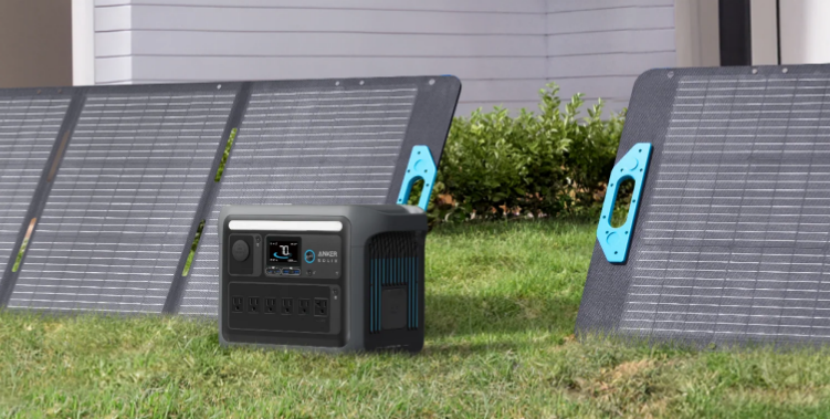
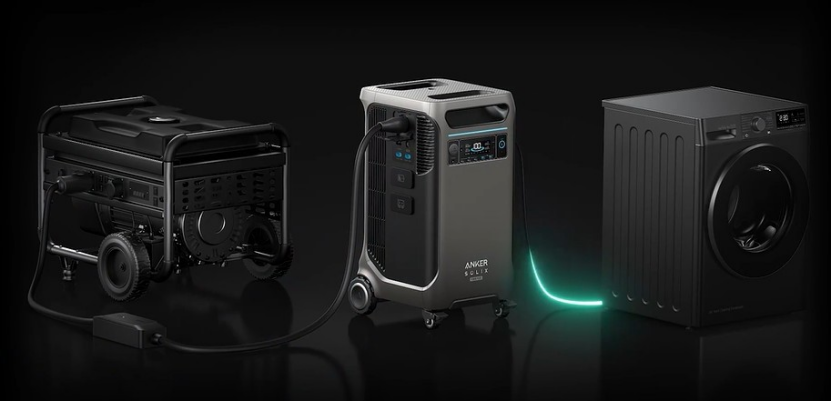
Every portable power station includes important charging cords, typically one for AC wall input and another for automobile charging. Some variants incorporate MC4 cables for connecting solar panels. Carrying bags, solar panels, expansion batteries, and specialized adapters are all examples of optional accessories. Higher-capacity systems may be able to handle add-on battery packs, extending runtime. Solar panel kits, which are available singly or in bundles, allow for off-grid charging and may frequently be folded for portability. When the station is not in use, protective cases or dust covers are used to preserve it safely. Accessories, whether purchased separately or included, round out the configuration by increasing charging possibilities, improving mobility, and adapting the system to various usage scenarios and surroundings.
How Does a Portable Power Station Setup Work in Daily Use?
Setting Up and Using a Power Station at Home
A portable power station may be easily set up at home. Plug it into a wall socket to charge, then place it near the devices you want to power—whether in the kitchen, living room, or home office. Connect devices to the proper ports and monitor output on the digital display. During power outages, the station maintains important equipment working, such as lighting, phones, and routers. It accommodates tools, entertainment settings, and appliances in spaces with few outlets. It is suitable for indoor use since it operates quietly and neatly. With simple access to ports and visible indications, controlling household power requirements becomes more flexible and convenient.
Using a Portable Power Station for Travel or Outdoor Needs
Portable power stations provide off-grid energy in distant areas while traveling or camping. Charge the device at home or using solar panels, then transport it in your vehicle or RV. Once on site, place it on a level surface away from direct sunlight and dampness. Plug in devices such as mini-fridges, fans, lights, or drones through the appropriate connectors. Lightweight types are ideal for hikes or picnics, whilst bigger ones may power multi-day RV vacations or van living arrangements. Solar panels allow you to recharge during daylight hours and remain self-sufficient for extended periods of time. Whether you’re enjoying nature or working on the road, a portable power arrangement keeps things running smoothly.
Managing Power, Charging, and Connected Devices
Managing a portable power station requires balancing energy intake, output, and battery levels. Begin by completely charging the item by power, vehicle, or solar input. During usage, connect devices based on their power consumption, prioritizing necessities if space is restricted. Monitor the digital display to see real-time usage and remaining runtime. To increase battery life, use energy-efficient gadgets and disconnect everything that is not absolutely necessary. When charging with solar panels, adjust their positioning to fit the sun’s angle and clean them on a regular basis. Many units enable pass-through charging, which allows you to power gadgets while the station charges. With careful use and simple monitoring, your configuration provides consistent, uninterrupted power in any situation.
Conclusion
A portable power station arrangement is a convenient and effective method to get electricity anywhere. With a battery-powered main unit, several ports, and possible add-ons like solar panels, consumers have complete control over their power supply. It’s simple to set up at home for backup or everyday usage, and it’s also portable for vacation, camping, or remote business. Managing energy is simple owing to informative displays and built-in safety safeguards. Whether you want a stable source during blackouts or a flexible option for mobile living, a portable power station configuration provides clean, quiet, and adaptable power that is adapted to your lifestyle.
Visited 1 times, 1 visit(s) today