Introduction
Achieving high-quality vocal recordings starts with selecting the right microphone. Dynamic microphones are preferred by many vocalists and producers because of their durability and capacity to handle high sound pressure levels without distortion. This guide will walk you through why a dynamic microphone might be your best bet for vocal recordings and highlight the standout models in 2024.
Why Choose a Dynamic Microphone for Vocals?
When it comes to vocal recordings, dynamic microphones present distinct advantages.
-
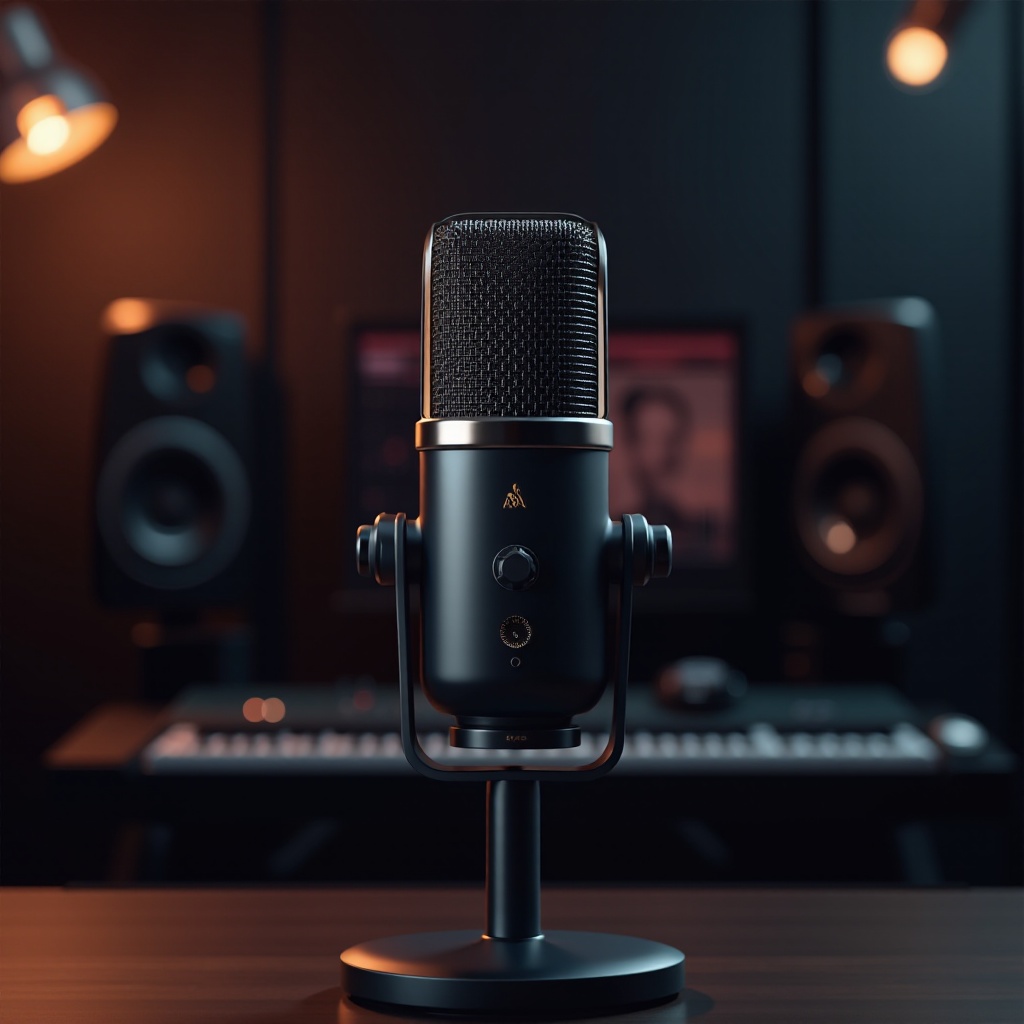
Dynamic vs. Condenser Microphones: Dynamic microphones are known for their robustness, making them ideal for live environments where they can resist moisture and physical impact. They can handle high sound pressure levels, ensuring that even the loudest vocalists can perform without concern for mic distortion. On the other hand, condenser microphones, while offering greater sensitivity and detail, require more controlled studio settings due to their fragility.
-
Advantages of Dynamic Microphones: The sturdy construction of dynamic microphones means they have a longer lifespan, particularly in varied environments. Additionally, their natural noise rejection capabilities help in capturing clear vocal tracks, even in noisy settings.
Understanding these advantages paves the way for a more informed choice when picking the right microphone for your needs. The key features below further guide the selection process.
Key Features to Consider
Choosing the best dynamic microphone necessitates a focus on essential features that determine sound quality and effectiveness in various settings.
-
Frequency Response: A microphone’s frequency response should align with the human vocal range to deliver a clear and warm sound. Ideal mics will highlight midrange frequencies that best reproduce the human voice naturally.
-
Polar Patterns: Most dynamic microphones utilize a cardioid polar pattern, which captures sound primarily from the front and sides while effectively reducing noise from the rear. This feature minimizes feedback during live performances and in noisy rooms.
-
Build Quality and Durability: Selecting a microphone built with high-quality materials ensures not only a long life but also maintains performance standards over time. This is crucial for touring artists and frequent live settings.
Equipped with this understanding, you’re ready to explore the market’s leading models, each offering unique benefits to match your recording needs.
Top Dynamic Microphones for Recording Vocals
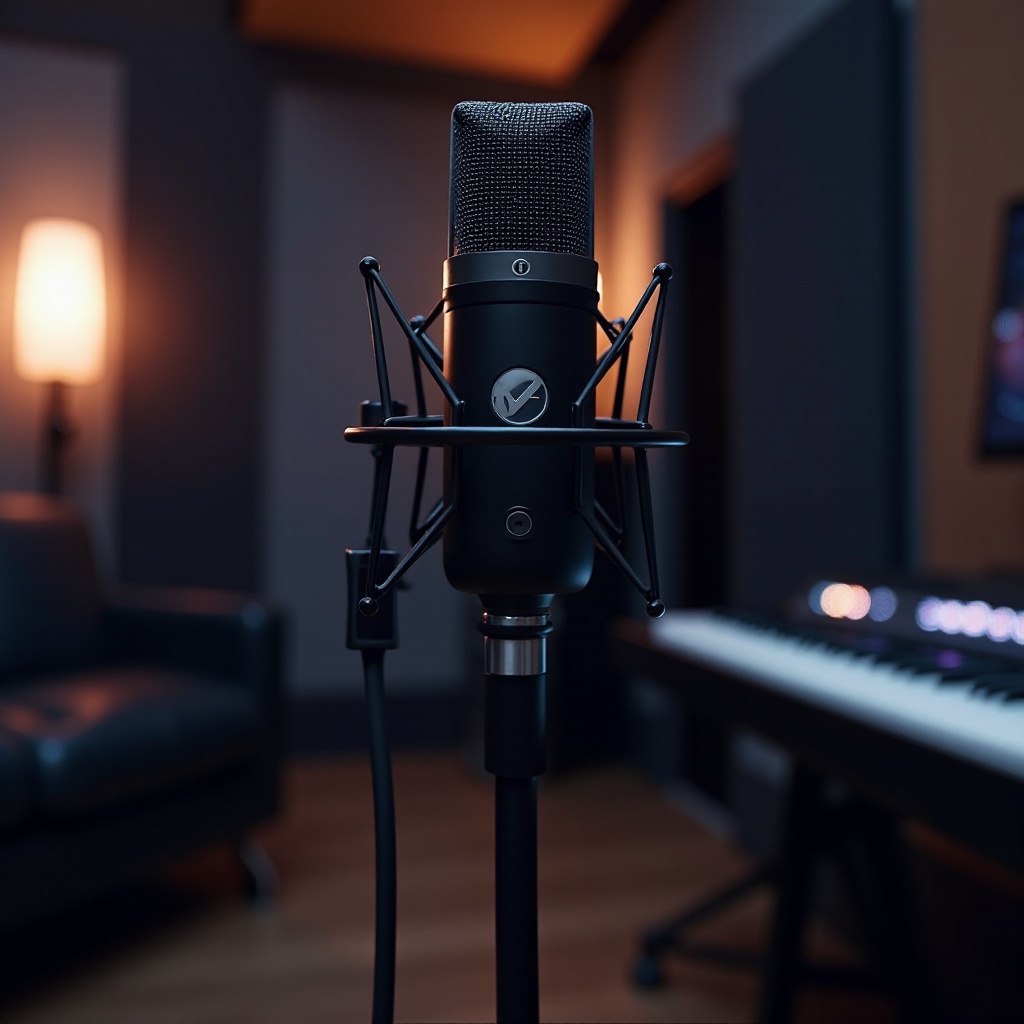
Here are some of the top-rated dynamic microphones in 2024, chosen for their performance, reliability, and adaptability to different recording situations.
-
Shure SM7B: Industry Standard: Renowned for its flat, wide-range frequency response, the Shure SM7B delivers a consistently detailed and natural vocal sound, making it a staple in studios.
-
Electro-Voice RE20: Best for Broadcast Quality: Featuring Variable-D technology, this microphone reduces the proximity effect, offering a balanced and clear sound—perfect for both broadcasting and vocal recordings.
-
Sennheiser e835: Best for Budget Recording: Combining affordability with quality, the e835 provides excellent sound reproduction and durability, ideal for anyone starting or looking for dependable spare equipment.
-
Audio-Technica AE6100: Best for Live Performances: Designed with a hypercardioid pattern, this mic enhances voice presence while reducing background noise, making it a superb choice for live applications.
Having explored these options, let’s now focus on maximizing their potential with proper usage techniques.
How to Optimize Your Use of Dynamic Microphones
To ensure your dynamic microphone delivers the best possible sound quality, follow these practical use tips:
-
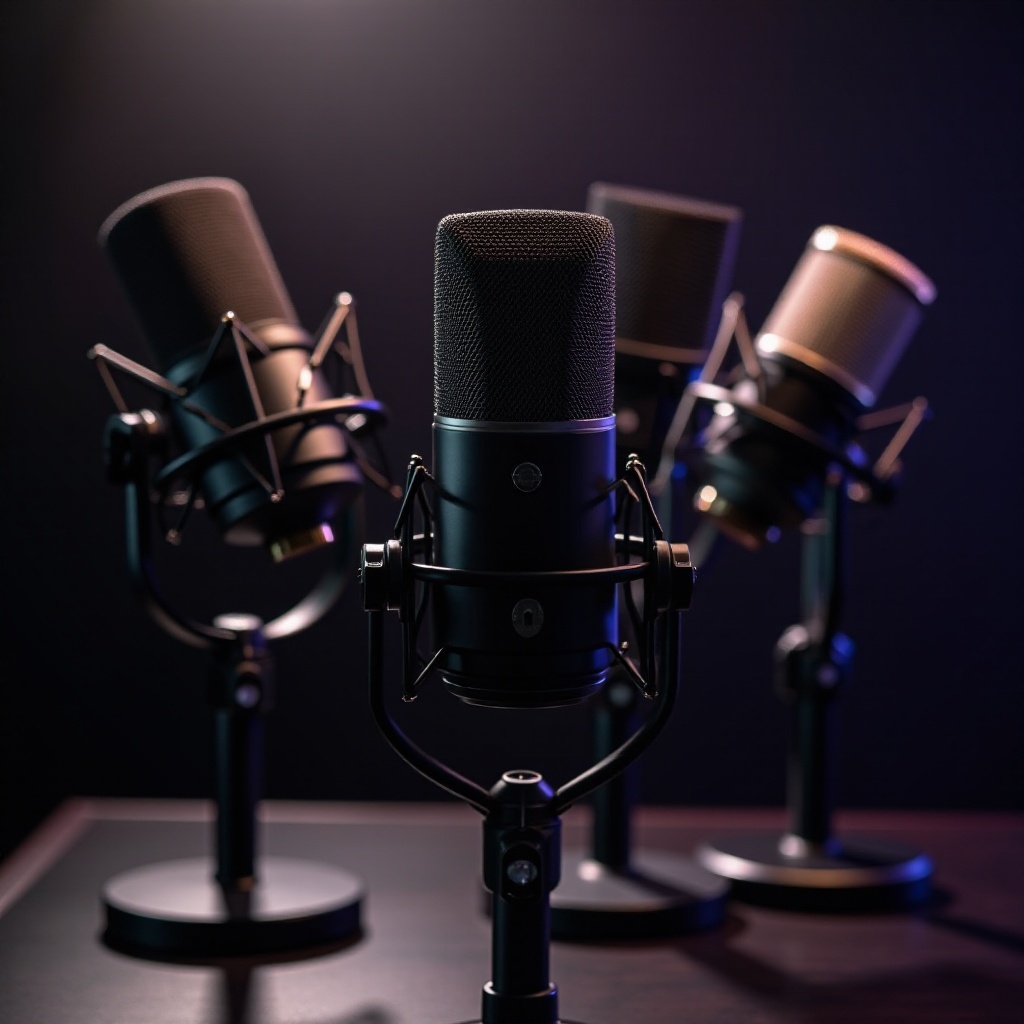
Proper Placement Techniques: Position the microphone approximately six inches from the vocalist, adjusting for volume and tone as needed. This distance typically achieves a balance in sound clarity and volume.
-
Reducing Background Noise: Employ pop filters to mitigate plosive sounds and choose an acoustically treated space to record. Limiting unnecessary background noise ensures that your recordings sound professional.
Applying these methods can significantly enhance the capabilities of your dynamic microphone, bringing your vocal recordings to life with exceptional clarity and presence.
Conclusion
Dynamic microphones present a reliable and efficient choice for vocal recording due to their robustness, sound pressure handling, and noise rejection features. By understanding the critical features, knowing the top models, and optimizing your use, you’re equipped to make an informed choice and capture high-quality vocal performances throughout 2024.
Frequently Asked Questions
What is the best dynamic microphone for beginner vocalists?
For beginners, the Sennheiser e835 offers great affordability coupled with reliable performance, making it an ideal choice for newcomers.
Can a dynamic microphone be used for studio recording?
Yes, many dynamic microphones, such as the Shure SM7B, are well-suited for studio recordings due to their robust design and high-quality sound reproduction.
Do I need additional equipment with a dynamic microphone?
To optimize performance, consider using a pop filter, a mic stand, and an audio interface. These tools can help enhance your recording setup and sound quality.